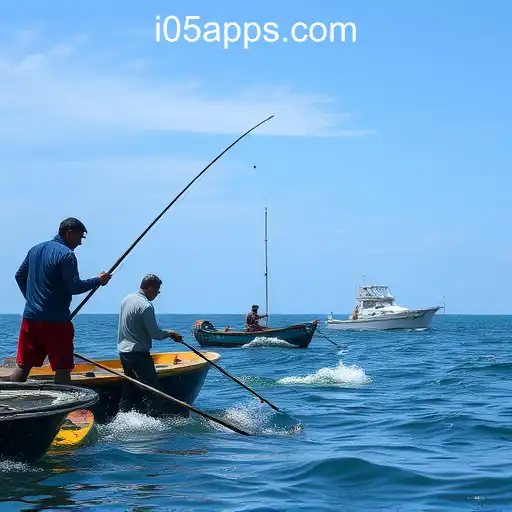
Fishing: A Global Tradition and Economic Powerhouse
Fishing is one of the oldest and most widespread practices known to mankind. It transcends boundaries, cultures, and generations, providing both sustenance and recreation to millions around the world. The art of fishing has evolved significantly over the years, from simple hand lines to advanced commercial machinery, opening new avenues and challenges in its practice and understanding.
The Evolution of Fishing Techniques
Traditionally, fishing was a means of survival. Early humans relied on fishing to secure a consistent food source. Over millennia, techniques evolved from basic tools like spears and nets to sophisticated technologies seen today. Innovations such as sonar systems and GPS have revolutionized how we fish, enabling precise and efficient methods that maximize yields while often minimizing environmental impact.
Technological Advancements
Modern fishing incorporates technologies that weren't even conceivable a few decades ago. With satellite mapping and sonar, fishermen can locate schools of fish with pinpoint accuracy. This intersection of technology and tradition is key to understanding modern fishing. Yet, these advancements are a double-edged sword, posing risks of overfishing and disruption of marine ecosystems.
The Cultural Significance of Fishing
Fishing is deeply embedded in various cultures and has influenced socio-cultural paradigms globally. In many communities, fishing is not just an economic activity but a way of life. For instance, in Brazil, fishing is part of a rich cultural heritage, celebrated through festivals and folk songs. Such cultural ties ensure that fishing remains a vital thread in the social fabric, beyond its economic implications.
Fishing in Arts and Literature
The motif of fishing appears prominently in literature and art, symbolizing everything from patience to man's quest for survival. Iconic tales like 'The Old Man and the Sea' capture the solitude and the fight involved in fishing, bringing the broader human experience into focus. Artworks often encapsulate the beauty and harshness of the sea, with fishing serving as a backdrop for human struggle and triumph.
Economic Impact of Fishing
Fishing is not only a cultural touchstone but an economic juggernaut. It contributes to the GDP of countless nations and is a cornerstone of livelihoods for millions. The industry ranges from small-scale local operations to massive international commercial fleets. Fishing generates employment and supports ancillary industries, such as equipment manufacturing, tourism, and food processing.
Sustainable Fishing Practices
As the demand for fish continues to rise, so do concerns about sustainability. Overfishing and environmental degradation threaten the industry's long-term viability. Sustainable fishing practices are essential to protect the biodiversity of oceans and to ensure that future generations can experience the benefits of fishing. Initiatives encouraging responsible fishing practices are gaining traction, backed by governments and environmental organizations alike.
The Recreational Side of Fishing
Fishing is also pursued for leisure. Recreational fishing offers stress relief, adventure, and a chance for people to connect with nature. It is a popular pastime in many countries, promoting mental health and community bonding. Anglers often cherish the tranquility of waiting for a bite, making it a unique blend of relaxation and excitement.
Fishing Competitions
Over recent years, fishing competitions have surged in popularity. These events, often backed by significant prizes, attract participants worldwide. They are sometimes broadcast on television, bringing the thrill and skill of the sport to a broader audience. Competitions also highlight the strategic aspects of fishing, emphasizing skill and knowledge over mere luck.
Fishing and Online Gaming
In an unexpected overlap, the culture of fishing extends into the digital realm. Online platforms, such as i05.com Oficial Slots Brasil #1, harness themes from fishing to create engaging gaming experiences. While seemingly disparate, these digital adaptations mirror elements of real-world fishing, such as strategy and the element of chance.
Through platforms incorporating fishing themes, players can explore virtual fishing worlds, complete with challenges and rewards that echo the allure of fishing. By connecting with these experiences online, enthusiasts can enjoy a simulation that reflects their passion for fishing and extends into leisurely entertainment.
Conclusion: The Future of Fishing
While it faces numerous challenges and transformations, fishing will undoubtedly continue to play a pivotal role in our cultural and economic landscape. By embracing sustainable practices and integrating technology wisely, fishing can preserve its tradition while adapting to a rapidly changing world. It remains a testament to humanity's resourcefulness and connection to the natural world, from ancient practices to contemporary innovations.